



December 12, 2025
Cannabis Seedling Temperature and Growing Temperatures: From Seedling to Harvest
The medical cannabis industry has experienced explosive growth, with legal sales expected to reach unprecedented heights. As more cultivators enter this highly regulated market, understanding the critical environmental factors that influence plant health and yield becomes paramount. Among these factors, temperature and humidity management stand as the cornerstone of successful cannabis cultivation from seedling to harvest.
This comprehensive guide explores the best temp for cannabis at every growth stage, proper cannabis seedling temperature requirements, and the crucial humidity for cannabis flowering stage that separates average crops from premium medical-grade harvests.
The Science Behind Temperature and Humidity Control
The cannabis industry has experienced remarkable growth, with the U.S. cannabis market valued at $38.4 billion in 2024 and projected to reach $115.1 billion by 2034—nearly tripling in size over the next decade. This rapid expansion means more legal growers operating under strict governmental regulations need access to best practices for indoor cultivation. Temperature and humidity monitoring aren’t optional luxuries—they’re essential requirements for producing consistent, high-quality medical cannabis that meets regulatory standards.
Recent research published in Frontiers in Plant Science confirms that elevated relative humidity significantly decreases cannabinoid concentrations while delaying flowering development in Cannabis sativa L. This peer-reviewed study demonstrates why precise environmental control throughout the entire growth cycle—from seedling to harvest—is critical for producing premium medical-grade cannabis.
Understanding the Temperature-Humidity Relationship
Temperature and humidity are closely interconnected and directly influence plant health and development. Humidity measures the amount of water vapor actually present in the air, while relative humidity (RH) specifically measures how much water vapor is in the air compared to the maximum amount that air can hold at a given temperature.
This relationship is crucial because warm air holds significantly more water vapor than cold air. Hotter air holds more humidity than colder air, which means extracting the warmest air from your growing environment while introducing cooler air creates optimal conditions. However, warm air alone typically contains too much vapor for ideal growing conditions, which is why both heating/cooling and dehumidification systems work together.
How Cannabis Plants Respond to Humidity
Throughout every stage of growth, cannabis plants maintain a constant need for water, but the amounts fluctuate dramatically based on humidity levels. When humidity is high, plants absorb moisture through their leaves via foliar absorption, resulting in less water drawn through their roots. Conversely, when humidity is low, cannabis plants compensate by taking more water through their root system.
Professional cannabis monitoring solutions help maintain optimal humidity levels that encourage strong, healthy, nutrient-dense leafy plants with optimal growth rates. Understanding cannabis seedling temperature and humidity requirements from day one sets the foundation for successful cultivation.
Critical Problems Caused by Improper Environmental Control
Maintaining correct temperature and humidity levels prevents several devastating plant conditions. Research warns that the combination of warm temperatures and high humidity in indoor marijuana grow operations can fuel extensive mold growth, potentially exposing cultivators to significant health hazards including allergies, asthma, and other respiratory diseases.
- Bud Mold/Rot: This condition occurs when mold takes over the interior of cannabis buds. Once established, bud rot makes the entire flower unusable, potentially destroying weeks of careful cultivation. This is particularly problematic during the flowering stage when dense bud structure creates microclimates within the canopy.
- White Powder Mildew (WPM): This rapidly reproducing fungal disease manifests as white powder coating plant surfaces. While it can be treated if caught early, advanced cases render plants completely unusable. WPM thrives in environments with improper temperature and humidity balance.
- Nutrient Problems: When cannabis plants absorb too many nutrients at once—often exacerbated by environmental stress—leaves turn yellow and tips appear burnt, a condition called “nutrient burn” or “nute burn.” Research shows that when humidity is too high, reduced transpiration rates can lead to diminished nutrient uptake efficiency, which can result in nutrient deficiencies. This phenomenon is particularly evident in the uptake of calcium.
- Slowed Growth: Suboptimal environmental conditions dramatically reduce growth rates. Younger cannabis plants particularly benefit from higher humidity than mature plants, and failing to adjust conditions as plants develop costs growers valuable time and yield.
Cannabis Seedling Temperature: Getting Started Right
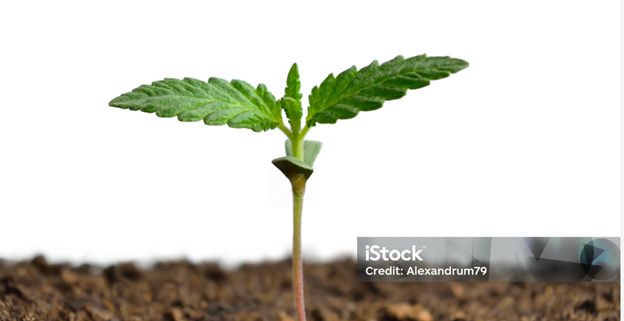
The seedling stage represents the most delicate phase of cannabis cultivation. Young plants are establishing root systems and beginning photosynthesis, making precise environmental control absolutely critical.
Temperature for Cannabis Seedlings
The best temperature for cannabis seedlings falls between 68-77°F (20-25°C) during the day, with nighttime temperatures dropping no more than 10°F cooler. This range promotes:
- Rapid root development
- Healthy leaf formation
- Strong stem growth
- Efficient nutrient absorption
Many growers make the mistake of running their seedling environment too warm. While cannabis seedling temperature above 80°F (27°C) may seem beneficial, it actually causes excessive stretching and weak stem development. Your seedlings need moderate warmth, not tropical heat.
Optimal Seedling Conditions Backed by Science
Recent studies on cannabis propagation indicate that adventitious root development in cuttings was most active at 70-90% relative humidity and temperatures of 25-30°C (77-86°F). This research confirms the critical importance of proper environmental control from day one. The study found that optimal light quality varied between cultivars, while high relative humidity consistently promoted adventitious root formation across different cannabis varieties.
Root Zone Temperature: Don’t forget about soil or growing medium temperature. For seedlings, aim for root zone temperatures between 72-75°F (22-24°C). This encourages beneficial microbial activity and prevents root diseases like pythium.
Digital monitoring equipment allows precise tracking of both air and root zone temperatures throughout the seedling stage.
Humidity Requirements for Seedlings
Seedlings and clones (cuttings from parent plants developing roots) require high humidity levels between 65-70%. These elevated humidity levels are essential because the root system isn’t yet established, and plants rely heavily on foliar absorption through their leaves for water intake.
Vegetative Stage Temperature Management
As plants transition from fragile seedlings to vigorous vegetative growth, they develop resilience and can handle slightly different conditions. The vegetative stage is when cannabis develops its characteristic leaf shape and builds the structural foundation for future flower production.
Temperature Requirements:
- Daytime temperature: 70-85°F (21-29°C)
- Nighttime temperature: 62-72°F (17-22°C)
The vegetative stage offers the most temperature flexibility. Plants demonstrate remarkable resilience during this phase and can tolerate occasional temperature fluctuations without lasting damage. However, consistency still produces optimal results—stable temperatures promote steady growth and help plants develop the robust structure needed to support heavy flowers later.
Humidity Management: During vegetation, gradually reduce humidity by approximately 5% each week. Start around 60-70% relative humidity and work down toward 40-50% by the end of the vegetative period. This gradual reduction helps plants adapt and strengthens their ability to handle lower humidity during flowering.
As root systems expand, plants increase water absorption through roots and transpiration (evaporation) through leaves. If you notice wet spots forming on leaves, humidity levels are too high—reduce immediately to prevent fungal issues.
Light Exposure Note: While our focus is temperature, it’s important to note that light exposure is critically important during the vegetative stage. The metabolic heat generated by lighting systems significantly impacts temperature management strategies.
Understanding Vapor Pressure Deficit (VPD)
Professional cannabis cultivators are increasingly focusing on Vapor Pressure Deficit (VPD), an advanced metric that combines temperature and humidity into a single actionable number. VPD measures the difference between the moisture in the air and the maximum moisture the air can hold, directly affecting plant transpiration.
VPD serves as a parameter that skillful indoor growers can use to enhance plant growth. Once understood and applied, managing VPD can enhance crucial metrics such as nutrient uptake and yield. Simply put, it’s a measure of the drying power of the atmosphere within the growing environment, which affects the transpiration rate of cannabis plants.
Optimal VPD Ranges:
- Seedling/Clone stage: 0.4-0.8 kPa
- Vegetative stage: 0.8-1.2 kPa
- Flowering stage: 1.0-1.5 kPa
For juvenile plants, a VPD of 0.8 kPa is ideal, while 1.3–1.4 kPa is optimal for vegetative growth and flowering. Cannabis thrives at 25–30°C (77-86°F). To achieve optimal VPD:
- Juvenile plants need relative humidity around 75% at 25°C or 80% at 30°C
- Later-stage plants need relative humidity between 55–60% at 25°C or 65–70% at 30°C
Advanced wireless monitoring systems can track VPD automatically, ensuring optimal transpiration rates throughout the plant lifecycle.
Humidity for Cannabis Flowering Stage: The Critical Balance
When plants enter the flowering stage, both temperature and humidity requirements shift dramatically. This is when precision matters most for quality and yield.
Flowering Temperature Guidelines
Early flowering (weeks 1-3):
- Temperature range: 68-79°F (20-26°C)
- Relative humidity: 50-60%
Mid to late flowering (weeks 4-8):
- Temperature range: 65-75°F (18-24°C)
- Relative humidity: 40-50%
Scientific research confirms that elevated relative humidity significantly decreases cannabinoid concentrations. The study found that high RH conditions negatively impact flowering development and reduce the quality of final cannabinoid production. This peer-reviewed research demonstrates why maintaining proper humidity for cannabis flowering stage is absolutely critical for producing high-quality medical cannabis.
Why Lower Humidity During Flowering
The humidity for cannabis flowering stage must be carefully managed for multiple critical reasons:
- Prevents mold and bud rot: High humidity combined with warm temperatures during flowering creates perfect conditions for pathogenic fungi
- Enhances cannabinoid production: Lower humidity encourages resin production as plants protect themselves from perceived drought
- Improves terpene retention: Cooler, drier conditions preserve volatile aromatic compounds
- Reduces disease pressure: Mold and mildew infect plants from the inside of buds where it isn’t visible initially
Comprehensive humidity monitoring solutions help maintain these critical parameters throughout the flowering period.
Why Lower Temperatures in Late Flowering
Reducing temperatures during late flowering enhances terpene preservation—these aromatic compounds are volatile and degrade at higher temperatures. Cooler temperatures can also increase anthocyanin production, leading to more colorful buds with enhanced bag appeal. Many cultivators report improved potency and aroma when finishing plants at the cooler end of the recommended range.
Late Flowering Period Precision
This critical period lasts between six and twelve weeks depending on strain genetics, and represents the final push toward harvest when careful environmental monitoring determines final product quality.
Temperature Requirements:
- Range: 70-80°F (21-27°C) during lights-on
- Nighttime: Can drop to 60-65°F (15-18°C)
Humidity Requirements: Lower humidity further to 30-40% during the late flowering period. This reduction:
- Improves final yield through enhanced resin production
- Enhances flavor profiles by stressing plants into protective terpene production
- Improves visual appearance with denser, more colorful flowers
- Minimizes harvest loss from mold contamination
Many experienced growers intentionally drop nighttime temperatures to 60-65°F (15-18°C) during the final two weeks before harvest. This controlled stress technique can dramatically enhance purple, pink, and red color development while boosting resin production as plants respond to perceived environmental challenges.
The Science of Temperature Differentials: Day vs. Night
The temperature difference between day (lights-on) and night (lights-off) cycles significantly affects plant morphology and development. Understanding and controlling this differential is part of advanced cultivation technique.
Optimal Differential: 10-15°F (5-8°C)
Effects of Different Differentials:
- Larger differentials (15-20°F): Cause stretching and looser, less desirable bud structure
- Smaller differentials (5°F or less): Promote compact, dense growth patterns
- No differential: Can reduce overall plant vigor and slow development
Professional cultivators use temperature differentials strategically. During vegetative growth, slightly larger differentials can promote beneficial stretching in squat indica strains. During flowering, minimal differentials produce the dense, compact buds that medical patients prefer.
Research recommends maintaining temperatures around 18-24°C during the day and 17-20°C at night during flowering to control the dew point and prevent fungal issues. This way growers can control the flowers’ dew point, which is crucial to prevent fungi and avoid ruining months of hard work.
Managing Temperature Extremes
Even in controlled indoor environments, temperature management challenges arise. Here’s how to address them effectively.
When Temperatures Run Too High
If your grow space consistently exceeds 85°F (29°C), immediate action is necessary. High temperatures accelerate plant metabolism beyond optimal rates, leading to:
- Nutrient deficiencies
- Reduced photosynthesis efficiency
- Heat stress symptoms
- Decreased terpene retention that reduces both aroma and therapeutic value
If temperatures are too high, especially in the flowering stage, the plant’s buds will appear fluffy. This is likely to reduce potency while the growth rate will slow down.
Solutions for High Temperatures:
- Increase air circulation: Add oscillating fans throughout the canopy to improve heat distribution
- Upgrade exhaust systems: More powerful ventilation removes heat more efficiently
- Switch to LED lighting: LEDs generate significantly less heat than HID systems
- Install air conditioning: For persistent heat issues, climate control is essential
- Adjust watering schedule: Water plants immediately when lights turn on to maximize cooling through transpiration
- Add supplemental CO2: If temperatures will remain elevated, increasing CO2 to 1200-1500 ppm allows plants to tolerate warmer conditions
Environmental monitoring systems provide 24/7 alerts when temperatures exceed safe thresholds.
When Temperatures Run Too Low
Below 60°F (15°C), cannabis growth slows dramatically. If the conditions inside the growing area are too cold, the cannabis plant will grow much slower. If the temperature goes near freezing (32°F) the plant will be in extreme shock, potentially fatal.
Cold stress triggers various plant responses, some desirable (purple coloration) but many problematic:
- Slowed nutrient uptake
- Reduced photosynthesis
- Potential early flowering in photoperiod plants
Solutions for Low Temperatures:
- Add supplemental heating: Space heaters with thermostatic control maintain baseline temperatures
- Improve insulation: Seal air leaks and add insulation to growing space walls
- Use HID lighting: These lights generate significant heat during operation
- Deploy heating mats: Particularly effective for maintaining proper cannabis seedling temperature
- Reduce exhaust frequency: Lower ventilation rates during coldest periods
- Keep soil surface moist: Moist growing medium retains heat better than dry medium
Strain-Specific Temperature Considerations
Cannabis genetics evolved in different geographic regions, resulting in varying temperature preferences that smart cultivators factor into their environmental strategies.
Indica-Dominant Strains: These varieties originate from mountainous regions of Afghanistan, Pakistan, and Northern India. They generally prefer cooler temperatures, thriving at 68-75°F (20-24°C). Indica plants often show enhanced resin production when grown at the cooler end of the acceptable range.
Sativa-Dominant Strains: Equatorial sativas from Thailand, Colombia, Mexico, and African regions tolerate warmer temperatures naturally. These strains perform well at 75-85°F (24-29°C) and may actually underperform if grown too cool. Plants that originate from warmer/tropical regions thrive with high relative humidity levels as they are well-adapted to these conditions.
Hybrid Strains: Modern hybrids combining indica and sativa genetics typically thrive at 70-80°F (21-27°C), right in the middle of the acceptable range. However, researching your specific hybrid’s genetic background helps fine-tune temperature management for optimal results.
Professional Measuring and Monitoring Equipment
Accurate measurement forms the foundation of effective environmental control. Professional cannabis cultivation requires quality monitoring equipment and strategic placement. Experts recommend monitoring levels throughout all four growth stages using digital thermometers and hygrometers with memory features so history can be reviewed.
Essential Monitoring Equipment
Digital Thermometer/Hygrometer Combinations: Place multiple units at different heights within the canopy. Temperature and humidity can vary significantly between floor level, mid-canopy, and ceiling height. The most relevant measurements occur at canopy level where plant processes are occurring.
Min/Max Recording Thermometers: These devices track temperature fluctuations over time, revealing problems that occur when you’re not actively monitoring. Nighttime temperature drops, heating system failures, and cooling system malfunctions become immediately visible in recorded data.
Infrared Thermometers: Leaf surface temperature provides critical insights. Leaves under stress show temperature differentials compared to surrounding foliage, allowing early detection of problems before visible symptoms appear.
Environmental Controllers: Advanced systems automate heating, cooling, humidification, and dehumidification based on real-time sensor input. These controllers maintain stable conditions 24/7 without manual intervention, dramatically improving consistency and reducing labor requirements.
Wireless Monitoring Systems: Modern wireless temperature and humidity monitoring solutions allow remote monitoring from anywhere. Cloud-based systems provide continuous monitoring with instant alerts if conditions move outside predetermined parameters. These systems maintain detailed historical records essential for regulatory compliance and process optimization.
Practical Tips for Environmental Adjustment
Maintaining the perfect balance throughout the plant lifecycle requires hands-on management skills supplemented by technology. Here are proven techniques for manual adjustment:
Tips to Lower Humidity and Temperature:
- Increase fresh air introduction: Bring cooler, drier air from outside the grow space
- Time watering strategically: Water plants immediately when lights turn on so transpiration occurs during the warmest part of the day
- Deploy dehumidifiers: Size appropriately for your space—undersized units run constantly without adequate moisture removal
- Increase air circulation: More airflow promotes evaporation and reduces microclimates
- Seal air leaks: Prevent humid outside air from infiltrating your controlled environment
Tips to Increase Humidity and Temperature:
- Keep growing medium moist: Evaporation from soil or substrate surfaces adds humidity
- Add supplemental humidity sources: Place open water containers or wet towels around the room
- Install humidifiers: Ultrasonic humidifiers provide precise control over humidity addition
- Reduce air exchange: Lower ventilation rates temporarily to retain moisture
- Add supplemental heating: Warmer air naturally holds more moisture
While these manual methods work, they require constant attention throughout the plant’s multi-month lifecycle. Advanced wireless monitoring solutions automate these adjustments, ensuring consistent optimal conditions even when you cannot be physically present.
Seasonal Environmental Adjustments
Your temperature and humidity control strategy must adapt to changing outdoor conditions that affect your indoor environment.
Summer Challenges: Focus on cooling through increased ventilation, air conditioning deployment, and strategic timing. Many growers run lights during cooler nighttime hours, using the natural temperature drop to reduce cooling costs. Consider light-deprivation techniques to maintain photoperiod control while running lights at night.
Winter Challenges: Prioritize heating and insulation investments. Daytime light cycles generate substantial warmth from lights, reducing heating costs. However, be cautious of cold air intake that can shock plants—preheat incoming air when outside temperatures drop significantly. Insulate walls, seal air leaks, and consider supplemental heating systems with thermostatic control.
The Temperature-Quality Connection
Temperature management directly determines final product quality. Research confirms that the cultivation environment, encompassing variables such as temperature, humidity, light intensity, and soil composition, profoundly influences the growth and development of cannabis plants. Fluctuations in environmental conditions can lead to significant alterations in the levels of cannabinoids, terpenes, and other bioactive compounds present in the plant.
Properly controlled environments throughout the growth cycle produce:
- Higher cannabinoid concentrations: Studies indicate properly grown cannabis produces significantly more cannabinoids than temperature-stressed plants
- Superior terpene preservation: Cooler finishing temperatures protect volatile aromatic compounds
- Denser, more resinous flowers: Optimal conditions promote maximum trichome development
- Improved visual appeal: Better color development and ideal bud structure
- Reduced pest and disease pressure: Many pathogens and pests thrive in suboptimal conditions
- Consistent therapeutic properties: Medical patients depend on reliable, reproducible effects
Advanced Wireless Monitoring for Compliance
Professional cultivation requires sophisticated solutions. Modern technology enables continuous, automated monitoring with instant alerts and detailed record-keeping.
Benefits of Wireless Monitoring Systems:
- 24/7 real-time monitoring from any location
- Instant alerts when parameters exceed thresholds
- Comprehensive historical data for compliance and optimization
- Integration with automated control systems
- Cloud-based data storage and reporting
- Multiple sensor deployment for comprehensive coverage
These systems are particularly valuable for meeting regulatory requirements in medical cannabis operations. Many jurisdictions require detailed environmental records demonstrating consistent conditions throughout the growth cycle. Automated monitoring systems with A2LA accredited calibration maintain these records effortlessly while preventing the costly crop losses that result from undetected environmental problems.
Temperature and Humidity Guidelines Summary
To recap the best temp for cannabis and humidity requirements at each critical stage:
Germination & Seedling Stage:
- Temperature: 68-77°F (20-25°C) day / 65-70°F (18-21°C) night
- Humidity: 65-70%
- Cannabis seedling temperature should never exceed 80°F
- VPD: 0.4-0.8 kPa
Vegetative Stage:
- Temperature: 70-85°F (21-29°C) day / 62-72°F (17-22°C) night
- Humidity: 60-70% early, reducing to 40-50% late
- Most forgiving stage for temperature fluctuations
- VPD: 0.8-1.2 kPa
Early Flowering Stage:
- Temperature: 68-79°F (20-26°C)
- Humidity: 50-60%
- Begin environmental tightening for quality
- VPD: 1.0-1.3 kPa
Mid to Late Flowering Stage:
- Temperature: 65-75°F (18-24°C)
- Humidity: 40-50%
- Humidity for cannabis flowering stage becomes critical
- VPD: 1.2-1.5 kPa
Final Flowering/Pre-Harvest:
- Temperature: 65-75°F (18-24°C), can drop to 60-65°F at night
- Humidity: 30-40%
- Lowest humidity and temperatures for maximum quality
- VPD: 1.2-1.5 kPa
Conclusion: Environmental Control as the Foundation of Quality
Temperature and humidity management represents both science and art in cannabis cultivation. While these guidelines provide research-backed starting points, every growing environment presents unique challenges. Monitor your plants closely, maintain detailed records correlating environmental conditions with plant development, and continuously refine your approach based on results.
Remember that temperature and humidity don’t operate in isolation. Lighting intensity, CO2 levels, nutrient delivery, and airflow all interact with temperature to create your complete growing environment. Master temperature and humidity control as your foundation, then optimize these complementary variables for truly exceptional medical cannabis production.
Whether you’re carefully nurturing delicate seedlings at optimal cannabis seedling temperature, managing the critical humidity for cannabis flowering stage, or fine-tuning conditions for maximum resin production, maintaining the best temp for cannabis throughout the growth cycle separates amateur growers from professional cultivators producing consistent, high-quality medicine.
The investment in proper monitoring equipment and environmental control systems pays dividends through higher yields, superior quality, reduced crop losses, and simplified regulatory compliance. Your plants—and ultimately, your patients—benefit directly from dedication to environmental precision throughout every stage from seedling to harvest.
For growers serious about producing premium medical cannabis, advanced wireless monitoring solutions eliminate the guesswork and constant vigilance required by manual methods. Contact SensoScientific to explore automated solutions that maintain optimal conditions 24/7, providing peace of mind and consistent results throughout the entire cultivation cycle.